Winter creeps up on South London in a particular way. The first frost comes quietly along the Purley Way, the wind finds the gaps under the tram lines in Addiscombe, and road temperatures dip long before the forecast suggests anything dramatic. In Croydon, where a morning can start in drizzle on London Road and end with sleet at Shirley Hills, winter tyres aren’t a status symbol or a northern luxury. They are a practical choice that shortens stopping distances, steadies steering feel on cold tarmac, and gives you a margin of safety on those greasy, leaf-strewn streets where a standard set of summer tyres simply can’t get their rubber working.
Preparing for winter tyre fitting is straightforward once you know the pieces involved. There are decisions to make about size, patterns, and storage. You will want to choose the right day and the right tyre centre, plan the budget realistically, and set yourself up for painless tyre change appointments through the season. This guide distils what experienced fitters in Croydon see every year, along with the tiny details motorists overlook until they bite. The aim is not just to get your winter tyres on, but to get them on properly, for the right reasons, and at the right time, so the car feels planted when the mercury slides.
What winter tyres actually do on Croydon roads
Winter tyres are not snow tyres in the old-fashioned sense. Their magic comes from two parts: rubber chemistry and tread geometry. The rubber compound remains pliable at temperatures below 7°C, where a summer tyre starts to harden. Pliable rubber keys into microscopic surface texture, which is how tyres create friction. The tread blocks carry thousands of sipes, those tiny slits that open under load. Sipes bite into cold, wet film and packed slush, clearing water from the contact patch and creating sharper edges that shear through the boundary layer.
On the A232 toward West Wickham, where cold shade lingers under trees, the difference is not subtle. A typical modern winter tyre can cut braking distance on cold wet asphalt by several car lengths compared with a summer tyre, even when there’s no snow. On light snow and frost, the gap grows larger. From a steering perspective, winter tyres resist that light-on-centre, vague feeling you get when summer rubber skims over chilled tarmac. They dampen the sudden yaw you feel when a rear axle steps out over a manhole slick with damp leaves near South End. The car simply stays composed.
The trade-off matters too. On warm, dry days, winter tyres can feel less crisp, and they will wear more quickly. That’s why timing is part of the preparation. In Croydon, a reasonable rule is to fit them once the average daily high consistently drops into single digits, often late October to mid-November, and to swap back in spring when daytime temperatures live above 10 to 12°C. If a mild spell arrives after fitting, carry on. A few warm days won’t undo the benefits you’ll gain on cold mornings.
Deciding between winter, all-season, and summer sets for a Croydon use case
Every household runs a different pattern of miles. Some drivers commute across the borough with occasional weekend trips to the M25, others live on hills toward Sanderstead or drive before dawn for Heathrow runs. Your choice between full winter tyres and modern all-season options should reflect your pattern rather than an abstract ideal.
Pure winter tyres offer the best cold-weather grip and braking on wet, frosty, or slushy surfaces. They carry the Three Peak Mountain Snowflake (3PMSF) marking, which indicates they meet an objective snow-traction standard. If your street collects standing water from blocked drains or you park on an incline where sheets of frost form overnight, winter tyres pay their way. If you head to the Surrey Hills or further south to the Downs on weekends, expect microclimates that swing quickly, with cold valley floors and pockets of ice at dawn.
Good all-season tyres, also with the 3PMSF mark, have improved dramatically. For many Croydon drivers who rarely see snow deeper than the bumper lip and want a single fit-and-forget solution, an all-season set can be a sensible compromise. They trade a small amount of extreme cold performance for better behaviour in mild spells, and you won’t need storage for a second set.
There’s one situation where a dedicated winter set feels almost non-negotiable: heavier cars with performance summer tyres and wide sizes. A rear-drive saloon on 245-section summers becomes a handful the first time you try to climb out of a sloped car park off Waddon Marsh after a frost. Narrower winter tyres cut through slush rather than surfing on it, and the compound difference is night and day when the surface is close to freezing.
How to choose the right winter tyre size and pattern
Many drivers assume they must match the exact size printed on their current tyres. It is more nuanced. The starting point is your manufacturer’s handbook or the inside of the fuel filler flap, where winter recommendations often list a narrower size. Narrower tyres exert more pressure per square centimetre, which helps them bite through slush and water to the underlying tarmac. A common move is stepping down one width, keeping the rolling diameter essentially the same by adjusting the aspect ratio. For example, a 225/45 R17 summer setup might run 205/50 R17 as a winter set, if the manufacturer approves it.
Load index and speed rating matter. Winter tyres often carry lower speed ratings, which is normal, but the load index must meet or exceed the car’s requirement. Croydon’s speed limits and congestion mean you will not approach a W-rated summer tyre’s maximum speed anyway. What you will approach are sharp-edged potholes and frame-wrecking speed cushions, so a robust carcass helps.
Tread patterns vary. Directional V-shaped patterns shift water quickly and excel in slush. Asymmetric designs offer a balance of wet grip and precise feel. Some winter tyres are optimized for continental conditions with persistent snow, others lean toward UK-style cold rain and black ice. Talk to a fitter who sees warranty returns and long-term wear, not just the sales sheet. They will know which models stay quiet on Croydon’s coarse surfaces and which ones develop cupping when they meet stop-start miles on the A23.
Studded tyres are not a UK road option. Ignore internet photos from Scandinavia. For Croydon, look for 3PMSF, an EU label with high wet grip ratings, and winter test performance from credible sources. If two candidates look similar on paper, ask about replacement availability in season. Some patterns become unobtainable in December. A tyre you can get tomorrow beats a marginally better one you must wait two weeks for.
Timing your tyre fitting Croydon appointment
Tyre fitting in Croydon runs on a predictable curve. The first cold snap fills diaries by lunchtime. You do not want to chase slots while temperatures plummet. Book your tyre change Croydon appointment when the long-range forecast shows night temperatures flirting with 4 to 6°C, usually late October or the first week of November. If you wait until gritters appear, you will queue.
Weekday mornings are quieter than Saturdays. Aim for the first slot of the day if you can. Fitters are fresh, bays are clear, and you reduce the chance that your car sits waiting for a balancer to free up. Even good shops juggle delivery delays, TPMS issues, and seized bolts. Early slots buffer those realities. If you rely on the car for school runs, borrow a courtesy car or plan a bus hop on the 60 or 109. Winter tyre replacement is not a five-minute pit stop, and you want the technician to take the time to torque and re-torque properly.
What to do the week before your appointment
Tyre replacement only works as well as the prep that supports it. A few simple checks save headaches on the day.
Clean the wheel hubs. Corrosion and winter grime can create a film that prevents the wheel from seating flush. If a wheel doesn’t sit perfectly on the hub, you can chase steering wheel vibration for weeks. With the car parked and cool, remove each wheel where safe to do so or at least clean around the hub face through the spokes. A wire brush, brake cleaner, and a rag are enough. If you don’t have a jack and stands, ask the fitter to add a hub clean to the job card.
Locate your locking wheel nut key. It goes missing more than you think. It is often in the glovebox, boot side cubby, or with the spare. Without it, the fitter must use a removal kit, which adds cost and time. If the key is chewed or cracked, source a replacement. Note the code stamped on the key or within your vehicle documentation.
Check tyre pressures and condition on your current set. If the pressures are low, adjust them to placard levels so the drive to the shop doesn’t stress sidewalls. Photograph tread depths across each tyre, inside and outside, so you have a record of wear patterns. That record helps diagnose alignment before you mount new rubber.
Verify your TPMS status. Cars from roughly 2014 onward will have direct or indirect TPMS. If your system uses in-wheel sensors, confirm batteries are still alive. A sensor that fails the day after fitting means a second visit. If a sensor light is already on, flag it. Some sensors can be resealed, others need replacement. Ask the shop if they stock your sensor type or can clone IDs so the car recognizes them immediately.
Measure your storage space. If you are keeping summer tyres at home, plan where they will live. Tyres hate sunlight, ozone, and heat sources. A cool, dry corner of a garage works. Flats are trickier, but balconies can function with proper covers and stands. If you intend to use a shop’s tyre hotel, confirm whether they cover damage in storage and how they tag and track sets to prevent mix-ups.
The fitting day: what good tyre fitting looks like
A professional tyre fitting Croydon team works in a rhythm. Expect them to note the car’s condition on arrival, including wheel marks, TPMS status, and existing tread depths. If you are moving to a different size for winter, they should confirm the size with you and check clearances for brake calipers and steering lock.
Wheel removal and bead breaking should be clean and controlled. If you have diamond-cut alloys, ask for rim protectors on the mounting machine. A competent technician will lubricate beads properly, avoid stretching the tyre unnecessarily, and pay attention to directional arrows on the sidewall and the “outside” marking on asymmetric patterns.
Balancing matters more than many realise. Croydon’s road surfaces transmit small imbalances into a steering vibration between 55 and 70 mph that can masquerade as warped discs. Ask for dynamic balancing on a calibrated machine. If you have hub-centric rings on aftermarket wheels, ensure they are present, clean, and aligned. A missing ring is an invitation to wobble.
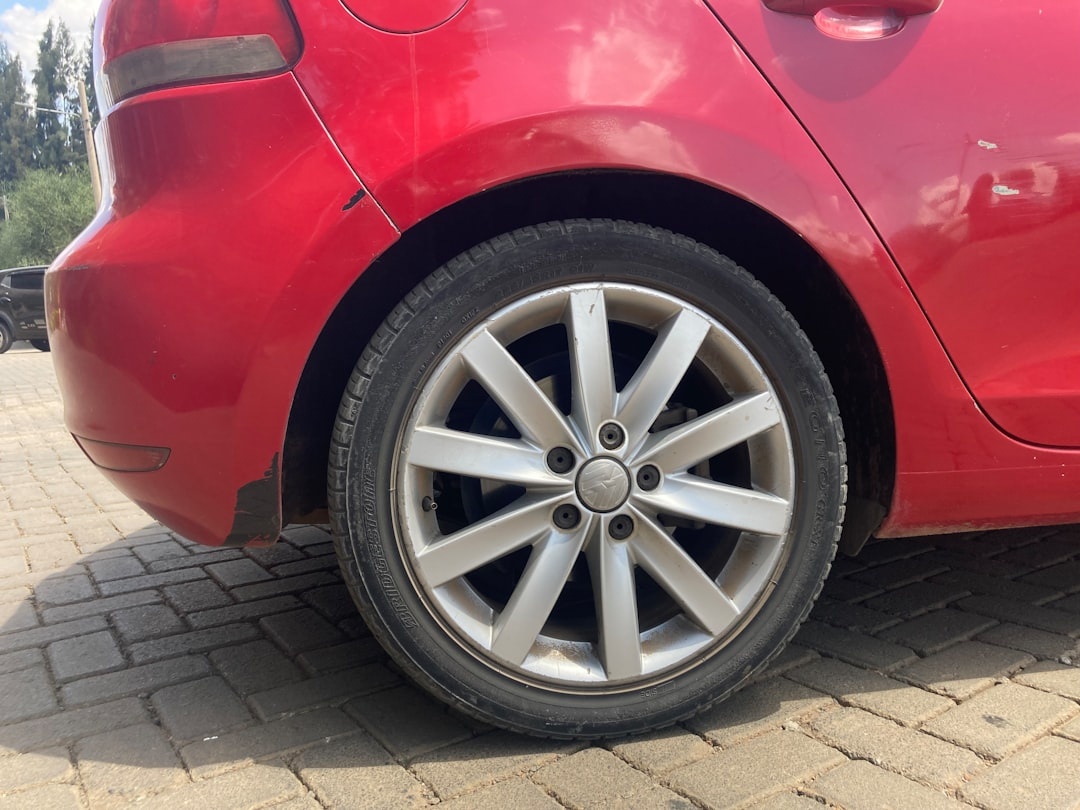
Torque settings should follow manufacturer specifications. Over-torqued wheel bolts stretch threads and can seize in place, which you will discover, unhappily, on the hard shoulder. Under-torqued bolts gradually loosen. A good shop will torque to spec with a calibrated wrench and, ideally, ask you to return for a re-torque after 50 to 100 miles. Make the return visit. It takes five minutes and can prevent a lot of drama.
Before you leave, check tyre pressures yourself, even if the shop says they set them. The cold-to-hot differential in winter is larger than in summer, and gauge variances happen. Set pressures on cold tyres to the door placard values for your load, then tailor slightly if you carry heavy passengers often. Some winter tyres respond well to a 1 or 2 psi increase in persistent motorway use, but don’t wander from the manufacturer’s window without a specific reason.
First miles on fresh winter tyres
The first 100 miles bed in compound and scrub off mold release. The tyres will feel smoother and quieter after that. You might notice slight vagueness initially, especially if you moved to a narrower size. Expect it. The car will communicate again as your muscle memory resets.
Choose a route that includes a bit of everything: a glide through Thornton Heath to check low-speed noise over patched tarmac, a short stretch of the A23 to feel stability at 50 to 60 mph, a deceleration from 40 mph to 10 mph to gauge bite. Listen for a whistle that could indicate a balance weight rubbing a calliper or tyre replacement a tread pattern resonance at a particular speed. Note any pull to one side under braking, which could suggest an alignment issue or uneven tyre pressures.
Try a sharp but safe stop in a controlled environment. Brake hard from 30 mph on a dry cold road with no one behind you. The point is to feel how the ABS intervenes and how the tyres talk back. That sensation will become your reference when a surprise appears at a junction near the flyover.
Alignment, geometry, and Croydon’s potholes
Fitting winter tyres does not cure misalignment. If your previous set shows uneven wear, get a four-wheel alignment. Croydon’s road network is merciless on suspension geometry. Speed cushions on residential streets and the rails crossing near East Croydon station nudge toe and camber slowly out of spec. Fresh winter tyres will wear irregularly if you do nothing.
Ask for a printout with before and after values, not just “we adjusted it.” If the shop only does front toe, consider a centre that can measure camber, caster, and rear axle thrust. Be open to the conversation about worn bushes, top mounts, or ball joints. There is no point in setting alignment if a control arm bush is past its best. If a technician shows you a torn bush, decide whether to fix it now or plan it for later, but mark it in your calendar. Winter multiplies the effect of small mechanical flaws when roads are slick.
Storage, labelling, and caring for the off-season set
If you run two sets, treat storage as part of the tyre change, not an afterthought. Before your summer tyres go away, Find out more wash them thoroughly. Brake dust and road salt are corrosive. Dry them before bagging. Label each tyre with its position when it came off the car, such as NSR for nearside rear. Use a paint pen or a paper tag in the bag. Next spring, you can rotate positions to even wear.
Store tyres upright on a rack if they are on rims, or flat in a stack if they are off the rims, and rotate the stack monthly. Keep them away from sunlight, electrical motors, and central heating equipment. Ozone cracks sidewalls over time. Indoor temperatures in Croydon flats can swing a lot in winter with radiators on full tilt. A storage service at a tyre replacement Croydon centre can be worth the fee if your flat lacks space.
Before refitting in spring, inspect for cracks, bulges, and embedded debris. Measure tread depth across the width. Winter tyres often wear more on the outer shoulder in urban driving. If one tyre falls well below its mates, find out why before you refit it. It could be alignment, underinflation, or a seized brake caliper causing drag on one corner.
Budgeting without surprises
Winter tyres range widely in price. The difference between a mainstream premium model and a budget offering might be 25 to 40 percent. You do not need the top of the tree to be safe, but be cautious with the very cheapest sets. Their compounds can harden quickly, and their wet braking distances lengthen when temperatures hover just above freezing, which is precisely Croydon’s winter reality. If budget is tight, look for last year’s pattern from a top brand or a respected mid-tier manufacturer. Clearance pricing can be excellent, and the real-world gap to the newest model is often marginal.
Factor in new valves, potential TPMS sensor servicing or replacement, balancing, disposal fees for end-of-life tyres, and alignment. Ask for the out-the-door price before you book. If you need a different wheel size for winter, consider a dedicated steel or simple alloy set. The initial outlay is higher, but you avoid repeated mounting and demounting, which saves the bead and the finish and makes tyre change appointments faster. Over three winters, a second set of wheels often pays for itself in time and convenience.
Picking the right tyre fitting Croydon partner
A good tyre centre takes pride in process, not just price. Watch how the reception handles questions. Do they ask about your driving pattern or only quote a size and a brand name? In the bay, look for torque wrenches present on each station, a recent calibration sticker on the balancer, and tidy storage for weights and valves. Technicians who keep their tools tidy tend to be careful with your wheels.
Ask about their approach to TPMS. Can they clone sensors or reprogram IDs so your car recognizes the new set without a warning light? If they suggest disabling TPMS, walk away. It’s there for a reason, and winter is the season when slow leaks from pothole knocks matter most.
Finally, ask what happens if a tyre turns out to be defective. Most reputable shops handle warranty claims properly. They will also tell you honestly if a vibration is alignment-related, wheel-related, or tyre-related. Clarity saves time.
What Croydon winter actually feels like behind the wheel
Winter here is a study in microgrip. You won’t spend most mornings burrowing through drifts. You will spend them threading a line along damp bus lanes, crossing polished paint at junctions, and tiptoeing over metal plates cutting up the road near the Whitgift Centre. Painted lines, metal, and wet leaves are low-friction surfaces even on mild days. Winter tyres shorten the moment between turn-in and bite, so your steering inputs become more precise. That precision reduces the need for corrective inputs, which stabilizes the rear and keeps traction control quieter.
On frosty mornings, particularly after clear nights, black ice forms in dips and under bridges. The Penge and Anerley side of town, with shaded stretches and tree cover, loves to spring surprises at 6 a.m. Winter tyres won’t defy physics, but they increase the friction window where ABS and stability control can work. That window is sometimes the difference between a safe stop and a slow slide.
Heavy vehicles amplify the effect. A plug-in hybrid SUV with a boot full of luggage carries mass that demands grip. Winter tyres with robust shoulders and high silica content hold on longer when the surface is wet and cold. Light hatchbacks benefit too, but the improvement is most dramatic on heavier cars with wide summer fitments.
Fine-tuning pressures and reading wear through the season
Set pressures cold and check monthly. Cold means the car has been parked for at least three hours, ideally overnight. Winter swings in temperature can move pressures by 1 psi for every 5 to 6°C change. If a cold snap arrives, your 34 psi can become 31 psi by breakfast. Underinflation adds heat and squirm to tread blocks, which soft winter compounds don’t love. Overinflation chops mechanical grip and wears the center faster.
Learn to read wear. Feathering on the leading edges of tread blocks suggests toe misalignment. Heavier outer shoulder wear points to hard cornering and urban roundabouts with insufficient rotation. Chronic inner shoulder wear hints at too much negative camber or a sagging spring. Any wear that diverges from the others warrants a quick alignment check. The earlier you catch it, the longer your winter set will serve.
If a persistent vibration appears at a specific speed, return to your fitter for a rebalance. Winter tyres shed small rubber feathers as they bed in, and a weight can shift. If the vibration arrives after a pothole strike, ask for a runout check. Bent rims are common, and cold-hard rubber can hide the symptom until a precise speed.
TPMS etiquette in winter
Direct TPMS sensors sit inside wheel cavities and live a hard life. Cold weather reduces battery efficiency, and a borderline cell may show its age just after you fit your winter set. If you buy new sensors, request OE-equivalent quality. Cloned sensors that copy your original IDs allow seamless swaps between summer and winter wheels without reprogramming each time. If your car uses indirect TPMS through the ABS system, recalibrate after fitting, following the handbook. Don’t ignore a warning light. Slow leaks are common after cold snaps, where a bead unseats slightly against a corroded rim. A quick clean and reseal solves it when caught early.
Choosing a day around Croydon’s winter rhythm
Cold mornings followed by wet afternoons produce the slipperiest conditions after sunset, when evaporated moisture condenses back on chilled roads. If you can, collect the car from the tyre shop while the sun is still up, when the new set can bed in on roads that still hold a hint of warmth. Give yourself time for a longer, calmer drive home rather than diving straight into the evening rush. That first journey shapes your comfort with the new setup. Confidence builds quickly when the tyres show you they are ready.
Legal markers and safe tread depth
UK law sets the minimum tread depth at 1.6 mm across the central three-quarters of the tread. Winter tyres need more than the legal minimum to function as designed. Below roughly 4 mm, many winter patterns lose much of their siping effectiveness. If you start a Croydon winter at 4 mm, expect to see performance tail off by late January, especially on the driven axle. Consider replacing at 3 to 4 mm rather than running them down to the wire. Keep an eye on the small winter wear indicators some manufacturers mold into the tread. They provide a quick visual tell when you have reached the point where winter performance declines.
Real-world examples that make the case
A delivery driver based out of Croydon’s industrial estates switched from worn summer tyres to a mid-tier winter set in mid-November. His route includes repeated stops along Brighton Road, with frequent turns across oncoming traffic at low speed. He reported shorter nose-dive distances and fewer ABS rattles when braking for pedestrians in drizzle. His telematics showed a small increase in fuel use in mid-winter, about 2 to 3 percent, which he recouped by reducing harsh braking incidents by a similar number. The tyres paid back in reduced near-misses and smoother days.
A family in Selsdon lives near a steep cul-de-sac that frost coats for hours. They fitted narrower winter tyres on a dedicated steel wheel set. The extra sidewall gave a softer ride over winter potholes, and the narrower width stopped the front axle from skittering when pulling away. The decision to hold a second wheel set turned tyre change appointments into a 30-minute swap, a relief with two young children in tow. Costs were front-loaded, but the convenience became the persuasive factor.
Keeping the language of tyres simple with your fitter
When you book tyre replacement Croydon services, say what you want the tyres to do. Mention your road types and pain points. “I need better cold wet braking leaving the flyover at night,” or “I park on a slope that ices over,” gives a technician what they need. They can recommend a pattern and size that match the job rather than quote a buzzword. Share your annual mileage. A set that shines for the first 8,000 miles but fades fast is no good if you drive 20,000 miles a year. If you rarely exceed 30 mph in town, noise and comfort weigh more than high-speed precision.
When to say no to a winter swap
There are times when a winter tyre change isn’t the right move that day. If your suspension is knocking, if a wheel bearing hums, or if a steering pull is dramatic, fix the mechanical issue first. New winter tyres won’t mask problems. Also, avoid fitting on a day when road salt and slush are thick if the shop cannot wash the wheel wells and hubs before fitting. Trapping slurry between the hub and wheel is an invitation to imbalance and corrosion. A cleaner day or a shop with a wash bay makes a difference.
Aftercare through the season
Rinse the arches occasionally. Salt buildup accelerates corrosion on brake lines and suspension arms. While rinsing, glance at the tyre tread for embedded stones or screws. Remove small stones before they drill deeper. If a puncture occurs, repair rules differ for winter tyres, but many small punctures in the central tread area are repairable by a trained technician. Avoid emergency sealants unless you must get moving immediately, and tell the shop if you used one. Sealants make a mess inside the tyre and sensor.
Rotate front to rear mid-season if the car is front-drive and you notice uneven wear, provided the tyres are non-directional or can be swapped left to right per the pattern. Keep a note of mileage when you rotate. If you drive a square setup where all four tyres match, rotating extends life significantly. Staggered setups, common on some performance models, limit rotation options. In that case, keep a closer eye on pressures and alignment.
A short pre-fit and post-fit checklist for sanity
- Confirm tyre size, load, and speed rating against the handbook and winter recommendations. Find the locking wheel nut key and put it on the passenger seat. Ask for dynamic balancing, proper torque, and a re-torque visit after 50 to 100 miles. Verify TPMS plan: sensor health, cloning or reprogramming, and seal replacements. Take a quick test drive, check pressures cold at home, and note steering feel and any vibration.
The small advantages that add up
Every year, a portion of Croydon drivers decide to try winter tyres for the first time. Most don’t go back. It isn’t about blasting through snowbanks; it’s about stacking small advantages so your day runs smoothly. The car stops closer to where you intend at the zebra crossing near the Whitgift. It pulls away without scrabble on the early shift. It lets you steer precisely across damp paint at a roundabout and not feel that heart-skip when the front pushes wide. Safety accumulates in margins, not in heroics.
Preparing for winter tyre fitting requires a little calendar discipline, a few practical checks, and a willingness to choose tyres that suit Croydon’s cold, wet character. Book early, pick a shop that values process, fit the right size with the right load index, and set pressures carefully. Keep alignment in spec, store the off-season set properly, and revisit the bay for a quick torque check. If you manage those basics, winter becomes less of a fight with the road and more of a comfortable routine, even when frost paints the tram tracks and a thin skin of ice hides in the shade under the flyover.
With that preparation, tyre fitting Croydon becomes an annual habit rather than an emergency scramble. Your tyre change aligns with the weather, not with the panic curve. Your tyre replacement plan reflects your routes, your car’s quirks, and the realities of South London’s winter. The road doesn’t change, but the way your car meets it does. That difference is worth the effort.
Tyre Fitting & Tyre Replacement FAQs
Quick answers to common questions about tyre fitting & replacement, tyre safety, and tread checks.
How much does a tyre fitting service cost?
The cost of a tyre service typically depends on the tyre size, tyre brand, vehicle type, and location. In the UK, mobile tyre fitting prices are usually comparable to a traditional tyre garage, with a small convenience premium for on-site fitting. Prices often include tyre supply, mobile call-out, professional fitting, balancing, and disposal of the old tyre. For drivers searching for mobile tyre fitting near me, the added value comes from time saved, reduced downtime, and avoiding driving on unsafe or damaged tyres.
Can tyres be fitted at home?
Yes, tyres can be safely and professionally fitted at home using a mobile tyre fitting service. Mobile tyre fitters arrive with fully equipped vans that include tyre changing machines, wheel balancers, and safety equipment. Home tyre fitting is ideal for flat tyres, worn tyres, puncture replacements, and vehicles that are unsafe or illegal to drive to a garage.
What is the 3% tyre rule?
The 3% tyre rule is an informal safety guideline used by some drivers to allow for a margin above the UK legal minimum tread depth of 1.6mm. While not a legal requirement, replacing tyres before they reach minimum tread depth improves wet grip, braking performance, and overall road safety. Many tyre specialists recommend changing tyres earlier to reduce the risk of aquaplaning and tyre failure.
Is a mobile tyre shop any good?
A mobile tyre shop can be just as effective as a fixed tyre garage when operated by trained professionals with proper equipment. Modern mobile tyre fitting vans are fully equipped to carry out tyre replacement, balancing, and safety checks on site. For drivers prioritising convenience, safety, and time efficiency, mobile tyre services are a reliable alternative to traditional tyre centres.
Is mobile tyre fitting worth it?
Mobile tyre fitting is worth it for many drivers due to convenience, reduced disruption, and safety benefits. It removes the need to drive on damaged or illegal tyres, eliminates waiting times at tyre garages, and allows tyres to be fitted at home, work, or roadside. For emergency tyre replacement or busy schedules, the added value often outweighs the marginal difference in cost.
What is the 20p trick for tyres?
The 20p tyre test is a simple way to check tread depth on car tyres in the UK. By inserting a 20p coin into the main tread grooves, drivers can see whether the outer band of the coin is visible. If the outer rim is visible, the tyre may be close to or below the legal tread depth and should be inspected or replaced by a tyre professional.
How long does a mobile tyre fitting take?
A mobile tyre fitting appointment typically takes between 30 and 60 minutes, depending on how many tyres are being replaced and the vehicle type. Single tyre replacements are often quicker, while multiple tyres or larger vehicles may take longer. Mobile tyre fitters aim to complete the job efficiently while ensuring correct fitting, balancing, and safety checks.
Does mobile tyre fitting include balancing?
Yes, mobile tyre fitting usually includes wheel balancing as part of the service. Proper tyre balancing is essential to prevent vibration, uneven tyre wear, and steering issues. Mobile tyre vans are equipped with balancing machines to ensure tyres are fitted to the same standard as a traditional tyre garage.
Are car tyres over 10 years old illegal?
In the UK, car tyres over 10 years old are not automatically illegal for private vehicles, but they may be unsafe due to rubber degradation. Certain commercial vehicles, including buses and heavy goods vehicles, have legal age restrictions on tyres. Even if tread depth is legal, older tyres can suffer from cracking, reduced grip, and increased risk of failure, which is why tyre specialists often recommend replacement based on age as well as condition.
Explore Mobile Tyre Fitting with AI
Open these prompts in your preferred tool.
- 🤖 ChatGPT
- 🔍 Perplexity
- 🤖 Claude
- 🔮 Google AI
- 🐦 Grok
Mobile Tyre Fitting in Croydon, Near Local Landmarks
If you have searched for tyre fitting, emergency tyre replacement, or tyre fitting near me, you are usually looking for one thing: a professional tyre service that comes to your exact location. Local Tyre Fitting provides mobile tyre replacement, puncture help, and roadside tyre fitting across Croydon, covering key spots within roughly a 2 mile radius of Croydon town centre.
Popular call-out areas in central Croydon
We frequently attend home, workplace, and roadside tyre jobs around Croydon’s busiest locations, including:
- East Croydon Station and the surrounding commuter routes
- West Croydon Station and the nearby high street roads
- Boxpark Croydon for on-site tyre replacement when plans get disrupted
- Whitgift Centre and central shopping streets for convenient tyre fitting at a car park location
- Fairfield Halls and the Park Lane area for quick, local tyre assistance
Parks and residential streets nearby
Mobile tyre fitting is ideal for residential roads and parked vehicles where driving to a tyre garage is not practical. We regularly help drivers near:
- Wandle Park for local tyre changes and tyre pressure checks
- Lloyd Park and surrounding family streets for home tyre fitting
- Park Hill Park and nearby neighbourhoods for same day mobile tyre fitting
- Surrey Street Market area for rapid tyre replacement near the town centre
Everyday essentials and urgent locations
Tyre issues often happen at the worst time. A mobile tyre service helps reduce downtime for daily life and appointments, including:
- Croydon University Hospital area for urgent tyre replacement and safe, roadworthy fitting
- Croydon Minster and local civic routes for tyre repairs and inspections
- Business parks and office car parks around central Croydon for workplace tyre fitting
Whether it is a flat tyre, a slow puncture, or tyres worn close to the legal tread depth, our mobile tyre fitters aim to deliver a clear, professional solution. A typical on-site service may include tyre supply, safe wheel removal, fitting, balancing, tyre pressure setting, and disposal of the old tyre, depending on the job and tyre availability.
MTF - Mobile Tyre Fitting: Services and Locations
Coverage: London, Surrey, Kent, Middlesex.
Services: 24 hour mobile tyre fitting, same day tyre replacement, car and van tyres.
Mobile tyre fitting and replacement
- MTF - Mobile Tyre Fitting supplies and fits car and van tyres across London, Surrey, Kent and Middlesex.
- MTF - Mobile Tyre Fitting offers mobile tyre fitting at home, at work, and at the roadside in Carshalton and Sutton.
- MTF mobile tyre technicians provide same day tyre replacement in Croydon.
- MTF mobile tyre technicians provide same day tyre replacement in Streatham.
- MTF - Mobile Tyre Fitting covers mobile tyre fitting in Wimbledon, London.
- MTF - Mobile Tyre Fitting covers mobile tyre fitting in Kingston, London.
- MTF - Mobile Tyre Fitting covers mobile tyre fitting in Purley, Surrey.
- MTF - Mobile Tyre Fitting covers mobile tyre fitting in Tadworth, Surrey.
- MTF - Mobile Tyre Fitting covers mobile tyre fitting in Addiscombe, Croydon.
- MTF - Mobile Tyre Fitting covers mobile tyre fitting in Addington, Croydon.
- MTF - Mobile Tyre Fitting covers mobile tyre fitting in South Croydon.
- MTF - Mobile Tyre Fitting covers mobile tyre fitting in Brixton, London.
- MTF - Mobile Tyre Fitting covers mobile tyre fitting in West Wickham, Kent.
Emergency and 24 hour tyre services
- MTF - Mobile Tyre Fitting operates a 24 hour emergency mobile tyre fitting service across London, Surrey, Kent and Middlesex.
- MTF - Mobile Tyre Fitting offers 24 hour mobile tyre fitting in Croydon.
- MTF - Mobile Tyre Fitting offers 24 hour mobile tyre fitting in Purley.
- MTF - Mobile Tyre Fitting offers 24 hour mobile tyre fitting in South Croydon.
- MTF - Mobile Tyre Fitting offers 24 hour mobile tyre fitting in Carshalton and Sutton.
- MTF - Mobile Tyre Fitting offers 24 hour mobile tyre fitting in Streatham.
- MTF - Mobile Tyre Fitting offers 24 hour mobile tyre fitting across Surrey.
- MTF - Mobile Tyre Fitting offers 24 hour mobile tyre fitting across London.
- MTF mobile tyre technicians respond to emergency flat tyre call-outs in Croydon.
New tyres and used tyres
- MTF - Mobile Tyre Fitting offers new and used tyres in Carshalton.
- MTF - Mobile Tyre Fitting offers new and used tyres in Streatham.
- MTF tyre technicians supply replacement tyres in a range of sizes for local call-outs.
Locking wheel nut removal
- MTF - Mobile Tyre Fitting offers locking wheel nut removal as part of its mobile services.
- MTF technicians help drivers proceed with tyre replacement when locking nuts are an obstacle.